A Guide to Help You Find a House to Rent
Finding a house to rent gets easier once you narrow the search to a few areas and know what you can spend. A house may give you a garden or another bedroom, and it can also mean higher heating bills or more upkeep. Check how those trade-offs affect the places you shortlist.
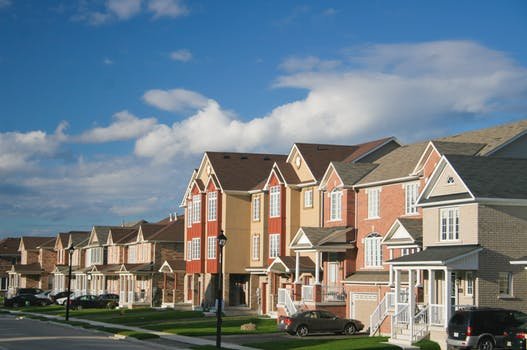
Pick an area by running your normal day
Start with the trips you make most often. Look up the commute at the hour you actually leave and check what happens if you miss the last bus or train. If you’re looking around London or Essex, compare the whole trip including the walk to the station and the fare. Check your address against your needs for parking, shopping and services.
Set a limit for the full cost of the house
Add rent, utilities, parking and local charges such as Council Tax where applicable. Ask who maintains the garden and which appliances come with the property. Set aside a separate amount for the deposit, moving costs and any overlap in rent. A house can fit your rent budget and still cost more than you can carry every month.
View the actual property and confirm who lets it
Search established listings and contact the agent or landlord using independently verified details. Check whether the listing photos show the house you’re viewing. Turn on the taps with permission and look for signs of damp. If there’s a garden or outbuilding, ask what’s included and who looks after it.
Get the terms before you commit
Ask for the written tenancy terms, the move-in date and a breakdown of what you’ll pay. Check the rules for deposits, rent and fees where the property is located. In England, use current GOV.UK tenant guidance for those details. Get promised repairs in writing and record the home’s condition when you receive the keys.
Keep the shortlist until you’ve seen the house, verified who’s offering it and agreed the terms. If flats are in scope too, use the same questions from the apartment viewing guide.
Photo from Pixabay.
More to Read:

Previous Posts:
Next Posts: